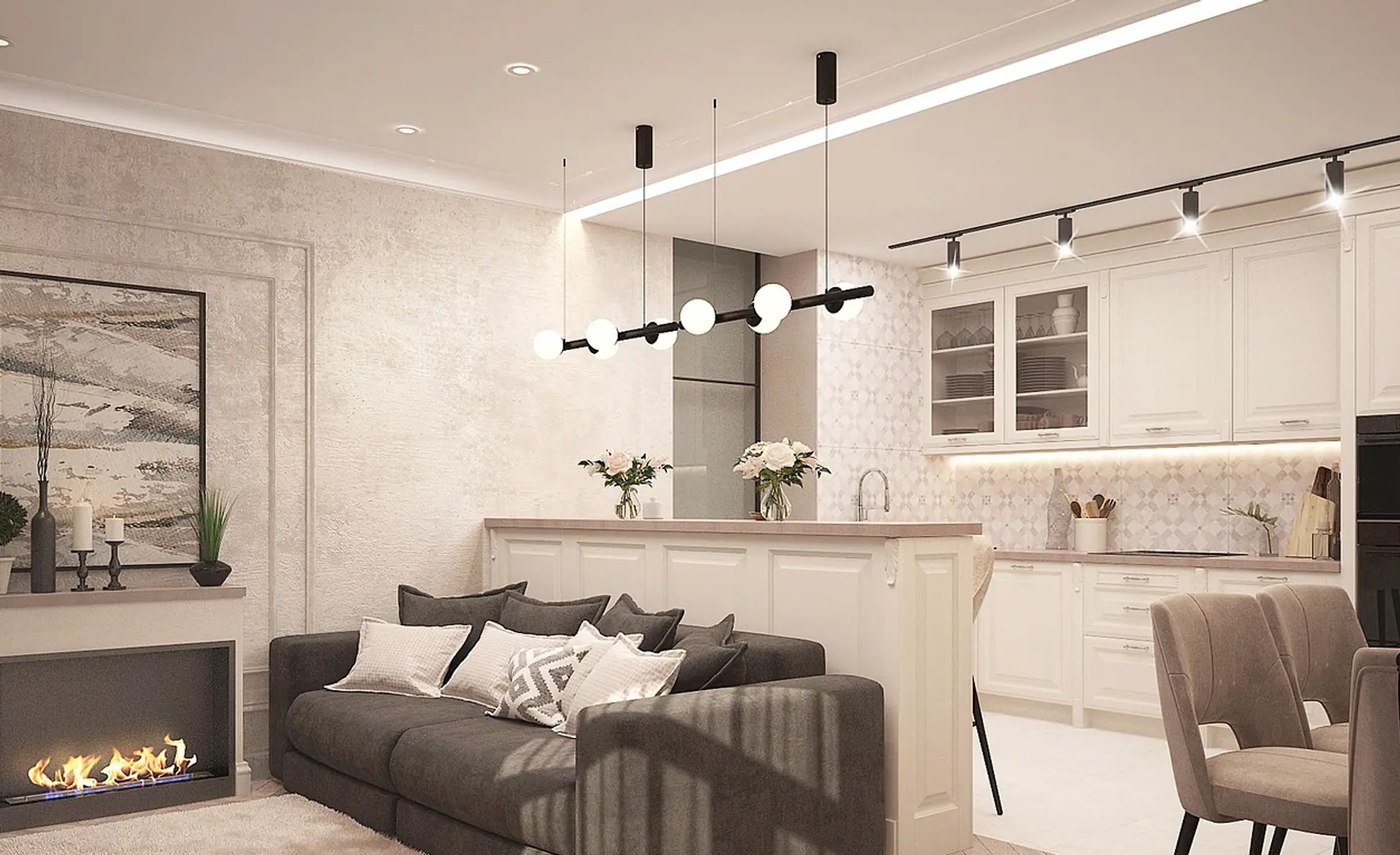
Welcome to Vanalleswa Style
A Guide to Perfection
Here you will find all that you need to know in order to upgrade your lifestyle in the broadest sense of the word! Be it your home decoration, your personal habits, your nutrition, or a thing that affects your life by any means, the content here attempts to cover it all and perhaps allow you to find that special little golden nugget of information you have been missing out on.
How to Choose a Positive Hobby?
Knitting Made Easier
10 Easy Exercises to Keep You Fit
What to Feed Your Pet?
MAKE OVER TIPS
5 Easy Tips to Brighten Up Your House
A Guide to Basic Gardening
Top 3 Color Schemes for Your Living Room
Handmade Wall Hangings – A Detailed Tutorial
LATEST NEWS
The Evolution of IPTV and Its Positive Impact in France
Over the past two decades, television has undergone one of the most significant transformations in media history. In France, this change has been especially visible through the rise of IPTV, or Internet Protocol Television. Instead of relying solely on traditional terrestrial, satellite, or cable broadcasting, IPTV delivers television content through internet networks, creating a more flexible and personalised viewing experience. As digital habits have matured and broadband access has improved across the country, IPTV has moved from being a technical alternative to becoming a mainstream part of how French households consume entertainment, news, and sport.
From Traditional Broadcasting to Internet-Based Viewing
To understand the evolution of IPTV in France, it is useful to look at the limitations of older television models. Traditional broadcasting worked on fixed schedules and gave viewers little control over how and when they watched content. While cable and satellite introduced more channels, they still followed a largely one-directional logic: broadcasters decided the timetable, and audiences adapted to it.
IPTV changed that model by using broadband internet to transmit live channels, on-demand programmes, and interactive features. This shift brought television closer to the wider digital ecosystem. Viewers were no longer tied to a single screen in the living room or restricted by rigid programme grids. They could watch content on smart TVs, tablets, smartphones, and computers, often with the ability to pause, replay, or switch instantly between live and recorded programming.
In France, the spread of high-speed internet and fibre infrastructure played a major role in this transition. Telecom operators and digital service providers recognised early that consumers wanted more convenience, more choice, and better integration between television and internet services. As a result, IPTV gradually developed from a niche technology into a central component of modern home entertainment.
Why IPTV Has Gained Strong Momentum in France
France has been particularly well positioned to adopt IPTV because of its strong digital infrastructure and tech-aware consumer base. Households increasingly expect seamless access to content, and IPTV responds directly to that demand. It offers a practical combination of live television, catch-up services, video on demand, and multi-device viewing within a single ecosystem.
Another reason for its growth is the diversity of content available. French audiences are not only interested in domestic channels; they also value access to international programming, premium sports, films, documentaries, and multilingual entertainment. IPTV supports this broader appetite by offering richer catalogues and more flexible subscription models than many legacy services. This has made the market more dynamic and more responsive to viewer preferences.
Consumers also appreciate the ease of discovery and usability. Modern IPTV interfaces often include search tools, personalised recommendations, and organised content libraries that make navigation simpler than traditional channel surfing. For viewers looking for reliable and modern digital TV options, services such as IPTV Premium France reflect how the French market has evolved toward convenience, variety, and user-focused design.
The Positive Impact of IPTV on Viewers and the Media Landscape
The most obvious positive impact of IPTV in France is improved viewer control. Audiences can build a television experience around their own schedules rather than around broadcaster timetables. This flexibility is especially valuable for working families, students, and people with fast-changing daily routines. It allows television to fit into modern life instead of competing with it.
IPTV has also expanded content accessibility. People can explore niche genres, regional programming, international channels, and specialised sports coverage more easily than before. This broader access supports cultural openness and helps viewers find content that better matches their interests. In a diverse country like France, where audience tastes vary widely, this is a meaningful advantage.
There is also a positive economic and competitive effect. IPTV has encouraged innovation among providers, who must now compete not only on channel counts but also on interface quality, streaming stability, customer support, and value-added features. That competition tends to benefit end users through better service standards and more attractive offers.
For content producers and distributors, IPTV opens new opportunities as well. It creates additional routes to market, makes audience measurement more precise, and enables more targeted content strategies. Broadcasters can learn more about viewing habits, refine their programming decisions, and develop packages that respond to actual demand. This data-driven approach can strengthen both local production and content distribution within the French media sector.
- Greater flexibility: viewers can watch live or on demand, across multiple devices.
- Wider choice: IPTV often gives access to more diverse national and international content.
- Better user experience: search, replay, and personalised recommendations improve discovery.
- Stronger competition: providers are pushed to innovate and improve quality.
The Future of IPTV in France
Looking ahead, IPTV is likely to become even more deeply integrated into everyday media consumption in France. As fibre coverage expands and streaming technology continues to improve, viewers can expect more stable performance, higher image quality, and richer interactive features. The line between television, streaming platforms, and digital media services will continue to blur.
Artificial intelligence and smarter recommendation systems may make IPTV services even more intuitive, helping users discover relevant content faster. At the same time, improvements in cloud infrastructure and device compatibility will likely make access more seamless across households. French consumers increasingly value simplicity, and the future of IPTV will depend on delivering that simplicity without sacrificing quality or variety.
There is also potential for IPTV to strengthen content localisation. Regional channels, French-language programming, and culturally specific content can be presented more effectively within digital platforms, helping preserve media diversity while still serving global interests. In this sense, IPTV is not just a technology trend; it is becoming part of the broader evolution of French cultural consumption.
In conclusion, the evolution of IPTV has had a clearly positive impact in France. It has modernised television, expanded viewer choice, increased flexibility, and encouraged higher standards across the media market. As internet infrastructure and consumer expectations continue to evolve, IPTV is set to play an even more important role in shaping how France watches, discovers, and values audiovisual content.
IPTV in Switzerland: Bringing Flexibility and Variety to Every Screen
Television in Switzerland has changed rapidly as viewers expect more control over what they watch, when they watch it, and which device they use. Traditional broadcasting still has its place, but internet-based television has become a practical and appealing choice for households that want convenience without sacrificing channel variety or picture quality. IPTV in Switzerland stands out because it matches the country’s modern digital habits, multilingual culture, and demand for high-performance home entertainment. Whether families want live sports, international channels, films on demand, or content that moves seamlessly from the living room TV to a smartphone, IPTV offers a flexible way to meet those expectations.
Why IPTV Fits Modern Viewing in Switzerland
Switzerland is uniquely suited to IPTV adoption. The country benefits from strong internet infrastructure, high device usage, and audiences that often want access to content in multiple languages. In one household, viewers may switch between French, German, Italian, and English programming, while also expecting fast access to global entertainment. IPTV supports this behavior by delivering television over the internet rather than relying only on conventional cable or satellite formats.
This matters because modern viewers rarely follow rigid schedules. They want the freedom to pause live TV, replay key moments, watch catch-up content after work, or start a film on one screen and continue it on another. IPTV answers these needs with a user-friendly, on-demand approach. Instead of being limited to fixed programming times, users can build their own routines around the content they actually enjoy.
For Swiss households, flexibility is often just as important as selection. A family may want children’s programming in the afternoon, live news in the evening, and sports late at night, all without changing providers or devices. IPTV makes that possible through one connected service, creating a more streamlined entertainment experience.
The Biggest Benefits of IPTV on Every Screen
One of the strongest advantages of IPTV is device compatibility. Today’s viewers no longer depend on a single television set in the home. Content is consumed on smart TVs, tablets, laptops, smartphones, and streaming boxes, often by different family members at the same time. IPTV is designed for this reality, allowing entertainment to follow the user rather than remain tied to one room.
That flexibility delivers clear everyday benefits:
- Watch anywhere at home or on the go: Users can move from the main TV to a mobile device without losing access to their favourite channels and programmes.
- Personalised viewing: Many IPTV services offer recommendations, favourites lists, and easy navigation that make content discovery faster.
- Live TV and on-demand in one place: Sports, news, films, series, and documentaries can sit within the same interface.
- Efficient use of time: Features such as catch-up TV, pause, rewind, and replay help viewers fit entertainment around work, school, and travel.
Another key strength is variety. IPTV platforms can offer local Swiss channels alongside premium international content, which is especially valuable in a country with diverse cultural interests. This broad content range makes IPTV appealing not only to individual viewers but also to families with different tastes. When each person can find something relevant without switching between multiple services, the value of the platform increases considerably.
What Swiss Viewers Should Look for in an IPTV Service
Not all IPTV services are equal, so choosing the right provider is essential for a smooth experience. Swiss viewers should focus first on reliability. Stable streaming, fast channel loading, and consistent image quality are crucial, especially for live sports, breaking news, and major events. A service that buffers frequently or lacks technical consistency will quickly undermine the convenience IPTV is meant to provide.
Channel selection is another major factor. The best services combine local relevance with international breadth, offering Swiss programming together with global entertainment, sports, and specialist channels. It is also worth checking for video-on-demand libraries, replay functions, and support for multiple devices under one account.
User experience should not be overlooked. A clean interface, clear categories, and responsive search tools make a significant difference in daily use. For viewers exploring options such as IPTV Suisse, it makes sense to evaluate how well the service aligns with Swiss audience expectations, including language options, content diversity, and cross-device performance.
When comparing providers, viewers may want to prioritise:
- Streaming stability for uninterrupted viewing.
- A wide channel lineup that includes local and international content.
- Multi-screen compatibility across TVs, phones, tablets, and computers.
- Replay and on-demand features for maximum flexibility.
- Responsive customer support in case setup or performance issues arise.
By focusing on these elements, users can move beyond marketing promises and choose a service that genuinely improves their entertainment setup.
The Future of IPTV in Switzerland
The future of IPTV in Switzerland looks strong because consumer expectations continue to move toward convenience, choice, and personal control. As internet connections become faster and home devices become smarter, IPTV is likely to become an even more natural part of everyday media consumption. Viewers increasingly want seamless access to content rather than complicated packages or hardware-heavy setups.
We can also expect IPTV platforms to become more intelligent. Improved recommendations, smarter content organisation, and better integration with apps and smart home ecosystems will make services easier to use. For many households, television is no longer a passive activity; it is an interactive digital experience that should respond to personal habits and preferences.
In Switzerland, this evolution is especially important because audiences are both tech-aware and diverse in their content needs. IPTV supports that diversity by offering a more adaptable model than traditional TV systems. It meets people where they are: on multiple screens, across different languages, and with varying entertainment priorities.
IPTV in Switzerland is more than a trend; it reflects a broader shift in how people want to experience television. With flexible access, broad channel variety, and support for every screen, IPTV gives viewers more freedom without compromising quality. For households that value convenience, personalisation, and rich content choice, it has become one of the most practical ways to enjoy modern entertainment.
Reusable Vapes: A Practical and Modern Tool for Quitting Smoking
For many smokers, quitting is not simply a matter of willpower. It is a process of changing routines, reducing nicotine dependence, and finding a replacement that feels realistic in everyday life. Reusable vapes have become one of the most practical modern options for adults who want to move away from cigarettes without giving up the familiar hand-to-mouth action and nicotine control they are used to. Unlike single-use alternatives, reusable devices are designed for long-term use, making them more cost-effective, adaptable, and reliable. When used responsibly as part of a clear stop-smoking strategy, they can offer a straightforward path toward leaving tobacco behind.
Why Reusable Vapes Appeal to Adult Smokers
Reusable vapes are popular because they combine convenience with flexibility. A smoker switching to vaping often needs a device that is easy to carry, simple to maintain, and capable of delivering a consistent experience. Reusable kits are built for this purpose. They can be recharged, refilled or fitted with replacement pods, and used over an extended period instead of being discarded after a short time.
That practicality matters. Smoking habits are often tied to routine, stress, social situations, and nicotine cravings. A reusable vape can help bridge that gap by offering a familiar ritual without combustion, ash, or lingering smoke smell. For adults trying to quit smoking, that can make the transition feel less disruptive and more manageable.
There is also the matter of personalisation. Reusable devices allow users to choose nicotine strengths and flavour profiles that suit their stage of quitting. Some start with a nicotine level that matches their cigarette intake, then gradually reduce it over time. Others prefer a pod system for simplicity and portability. Those exploring compact pod options often compare products such as hayati pro max pods when looking for a practical vaping format that supports an easier switch from cigarettes.
In short, reusable vapes appeal because they fit into modern life. They are portable, less wasteful than disposable options, and better suited to people who want control over how they reduce their dependence on tobacco.
How Reusable Vapes Can Support a Smoking Cessation Journey
The main reason many stop-smoking experts discuss vaping is simple: cigarettes are harmful because tobacco is burned and inhaled. Reusable vapes do not involve combustion, which removes tar and many of the toxic by-products associated with smoking. While vaping is not risk-free and is intended for adult smokers rather than non-smokers, it is widely seen as a less harmful alternative to continuing to smoke cigarettes.
That difference can be significant for smokers who have struggled with other quitting methods. Patches, gum, and lozenges can help with nicotine withdrawal, but they do not always address the behavioural side of smoking. Reusable vapes can do both. They provide nicotine in a way that feels more immediate while also replacing the physical habit of holding, inhaling, and exhaling.
For many smokers, this combination reduces the shock of quitting. Instead of stopping both nicotine and routine at once, they can focus first on moving away from tobacco. Once that step is stable, they can work on reducing nicotine levels gradually.
Common benefits that make reusable vapes useful for quitting include:
- Nicotine control through different strengths and formulations
- Lower long-term cost compared with buying cigarettes daily
- Less odour on clothes, hands, and inside the home
- Fewer interruptions thanks to rechargeable batteries and refillable or replaceable pods
- Greater consistency than many short-lived single-use devices
These benefits do not guarantee success, but they can remove some of the barriers that make quitting feel overwhelming. A reusable vape works best when it is viewed as a tool, not a trend. The aim is not to replace one habit without thought, but to create a more controlled route away from smoking.
Choosing the Right Device and Using It Well
Not every reusable vape is ideal for every smoker. Someone who smokes heavily may need a device that delivers nicotine more efficiently, while a lighter smoker may be comfortable with a simpler setup. Ease of use is especially important in the early stages. If a device leaks, has poor battery life, or feels complicated, it may push the user back toward cigarettes.
Pod systems are often the most approachable choice for beginners because they are compact and require little maintenance. More advanced refillable kits can offer greater flexibility and lower running costs, but they may involve extra setup. The right choice depends on how much simplicity, customisation, and performance the individual wants.
It also helps to approach vaping with realistic expectations. The first device may not be perfect. The preferred flavour may change. Nicotine strength may need adjustment. That is normal. Quitting smoking is rarely a single-step event, and success often comes from making steady improvements rather than expecting instant perfection.
When selecting a reusable vape, it helps to consider:
- Battery life for all-day reliability
- Pod or tank capacity to avoid constant refilling
- Nicotine strength options that match current smoking habits
- Build quality for regular daily use
- Ease of maintenance so the device remains simple and dependable
Using the device consistently is also important. Many smokers relapse because they underestimate how often cravings appear. Keeping the device charged, carrying a spare pod or e-liquid if needed, and using it before cravings become intense can make the switch far smoother.
Turning a Reusable Vape into a Real Quit Plan
A reusable vape is most effective when it is part of a broader strategy. That means setting a clear goal: to stop smoking completely, not to continue using both products indefinitely. Dual use can happen during the transition, but the long-term objective should be moving fully away from cigarettes.
One helpful approach is to identify smoking triggers and plan for them. Morning coffee, work breaks, driving, and stress are common examples. If these situations are anticipated, the vape can be used as a substitute rather than as an afterthought. Over time, the brain begins to detach those moments from cigarettes.
Support also matters. Some people benefit from stop-smoking services, while others rely on accountability from family or friends. Tracking progress can be surprisingly motivating as well. Fewer cigarettes per day, more smoke-free days, and gradual nicotine reduction all show that real change is happening.
It is also wise to review progress regularly. If cravings remain strong, nicotine strength may need adjusting. If vaping feels too frequent, a more structured reduction plan may help. The key is to stay intentional. Reusable vapes work best when they support a planned move away from tobacco, not when they are used without direction.
Reusable vapes have earned their place in modern smoking cessation because they offer something many smokers need: a practical alternative that addresses both nicotine cravings and daily habit. They are convenient, adaptable, and often more economical over time than continuing to smoke. While they are not meant for non-smokers and should always be used responsibly, they can be a highly effective tool for adults seeking a realistic way to quit cigarettes. With the right device, the right nicotine strength, and a clear plan, reusable vapes can help turn the goal of quitting smoking into a sustainable and achievable reality.
From Lobby to Living Room: IPTV That Serves Hotels, Bars, and Small Businesses
Guests judge a venue within minutes. Screens near the entrance, in rooms, or behind a counter set the tone. IPTV Smarters Pro gives property managers and owners the ability to control what appears on those screens with precision and speed. This matters because venues use video for welcome messages, safety information, live sports, training, and local promotions. The claim here is practical: the same technology that streams a drama at home can support better service, better compliance, and better revenue across hospitality and small business settings. The first step is understanding what a managed television system can do beyond playing a channel.
Central control that respects the guest
A central dashboard allows staff to select channels, schedule programs, and push messages to groups of screens. A hotel can schedule a welcome reel for check-in hours, switch to travel updates in the morning, and play quiet nature scenes overnight. A sports bar can put pre-game content on outer screens while keeping a marquee match on the main wall. With profiles for rooms or zones, staff can keep children’s content in family areas and business news in the conference wing. The guiding question remains: what does this guest want to see at this time and place?
Rights, reliability, and fairness to content owners
Public venues must respect licensing terms. Internet Protocol Television platforms for businesses typically include packages built for commercial use, which simplifies compliance. Centralized authentication reduces the need for on-site workarounds. When something fails, remote diagnostics can pinpoint issues at the switch or the box, which cuts downtime. Guests rarely notice compliance when it works, but they always notice a blank screen. Clear contracts and reliable service protect both the venue and the content owners.
Room screens that feel personal without giving up privacy
Hotel guests value convenience and privacy. Modern systems let guests pair their phones to the room television for the stay and then automatically clear the link at checkout. That design gives access to personal apps without leaving traces for the next guest. Clear on-screen prompts explain what will be saved and what will be erased. Managers should test this flow often; it builds trust and reduces front-desk support time.
Live sports that draw a crowd and keep them returning
Sports remain a traffic driver for bars and restaurants. Internet Protocol Television lets staff switch feeds quickly, replay a key moment, or add a commentator audio track tailored for a local team. Audio zoning allows table areas to keep conversation-friendly levels while a main zone carries stadium sound. Some venues set up multi-view walls during busy match days so patrons can follow several games at once. The goal is simple: reduce friction for staff and present the game cleanly for fans.
Training and internal communication that actually get watched
Small businesses need to train staff on safety, service standards, and new products. A venue can use off-hours to run short training videos on back-office screens or break-room televisions. Progress tracking helps managers confirm that teams saw required material. Because the same platform handles entertainment and training, staff do not need separate devices or login flows. That simplicity raises completion rates and reduces time lost to technical issues.
Digital signage and local promotions that do not feel intrusive
Between shows or matches, venues can run tasteful promotions: a chef’s special, a late checkout offer, a local event. Templates in the television dashboard make it easy for staff to update images and prices without a designer. The key is restraint and relevance. A short offer displayed near a bar or near the elevator works; a long slideshow does not. Many managers rotate promotions with helpful content like weather, transit, or flight updates to keep attention without fatigue.
Accessibility and multilingual support
Public venues host guests with varied needs and languages. Internet Protocol Television systems can keep captions on by default in common areas and provide audio description where available. Hotels serving international travelers benefit from easy language switching for program guides and menus. Managers who test accessibility features regularly find fewer complaints and stronger reviews. A simple practice is to include captions and language settings in the quick-start card in every room.
What should managers ask vendors?
Managers can ask a short list of questions during procurement. How many simultaneous streams does the package support at peak? What service-level targets does the vendor commit to during major events? How quickly can we push an emergency message to every screen? How often do devices receive security updates? Can the system integrate with property-management software to automate checkout resets? Clear answers reduce risk and signal a platform designed for real-world operations.
Return on investment that shows up in daily work
Savings come from fewer truck rolls, faster channel changes, and less downtime. Revenue gains come from longer dwell times during sports nights and from on-screen offers that match the guest’s moment. Staff spend less time troubleshooting remotes and more time serving guests. Over months and years, those small gains compound. Internet Protocol Television earns its place in hospitality and small business not because it is novel, but because it makes daily work smoother and guest experiences better.
Bulk Internet Protocol Television: A Smart Upgrade for Apartments and Hotels
Property owners search for amenities that stand out. While granite countertops impress visitors, a reliable entertainment package keeps them happy long after move-in day. Bulk IPTV Nederland repackages television service for multi-dwelling units, student housing, and hospitality, replacing outdated coax networks with fiber or Ethernet.
From Head-End to Every Room
In a bulk deployment, the property negotiates a wholesale fee on behalf of tenants or guests. A centralized rack receives satellite feeds, local broadcast, and on-demand libraries, then converts everything to multicast streams. Ethernet switches deliver the packets to wall jacks or Wi-Fi access points. Residents plug in a smart television and start watching without scheduling a technician.
Revenue and Retention
Multifamily Insiders notes that buildings adopting Internet Protocol Television in 2025 report higher renewal intent and ancillary income, because a portion of the negotiated fee exceeds wholesale cost and reverts to the owner’s operating budget. Lower churn offsets installation expenses within two years on average. Hotels benefit too: streaming-friendly rooms draw positive reviews, which push occupancy in competitive markets.
Lower Maintenance Footprint
Satellite dishes demand roof space and occasional realignment. Legacy cable plant ages, leading to service calls for pixelated images. By contrast, Ethernet cabling powers Wi-Fi and video, simplifying infrastructure. Software updates patch security holes without rolling a truck. When new codecs launch, operators swap a blade in the head-end rather than entering every unit.
Guest Personalization
Travelers arrive with their own streaming log-ins, yet they still want the local news. IPTV kopen portals combine live channels with casting support, so a hotel avoids the dilemma of supporting dozens of consumer apps. Screens clear credentials at checkout, guarding privacy.
Smart Building Integration
Because video travels on the same network as building management traffic, owners overlay digital signage, surveillance feeds, and community bulletins on unused channels. The lobby television can show shuttle-bus arrival times in the morning and switch to sports at night.
Sustainable Savings
Energy-efficient encoders and passive optical splitters consume less power than rows of set-top boxes. Developers pursuing green building certifications appreciate the reduced carbon footprint, while residents appreciate lower association fees.
Points to Verify During Planning
Check that existing cabling supports gigabit speeds. Survey Wi-Fi coverage in corner rooms. Confirm content rights: international channels require proper geographic licensing even inside a private network. Finally, stage a pilot on one floor before full rollout.
Result for Stakeholders
Bulk Internet Protocol Television upgrades living spaces from pass-through units to connected homes. Owners secure an additional revenue stream; tenants gain modern entertainment without extra contracts. In a crowded rental market, that edge can sway signing day.
Unveiling the Magic of Seoul: Top Tourist Experiences
Discover Seoul’s Charm: A City of Contrasts
Seoul, the capital city of South Korea, is a vibrant metropolis and a melting pot of ancient traditions and modern marvels. From majestic palaces to bustling markets, this city offers a diverse array of experiences for tourists. Whether you’re a history buff or a foodie, there’s something for everyone in Seoul. Here are some must-visit attractions and activities that will make your trip to this dynamic city truly unforgettable.
Historical Wonders: Delve into the Past
- Gyeongbokgung Palace: This magnificent palace, built in 1395, is a prime example of traditional Korean architecture. Don’t miss the Changing of the Royal Guard ceremony, held daily in front of the main gate.
- Changdeokgung Palace: A UNESCO World Heritage site, this palace boasts a stunning secret garden, Huwon, perfect for a peaceful stroll amidst nature.
- Bukchon Hanok Village: Wander the picturesque streets of this traditional village and experience life in a hanok (Korean traditional house), some of which are now converted into cultural centers, teahouses, and guesthouses.
Modern Marvels: Embrace the Future
- N Seoul Tower: Take in panoramic views of the city from the observatory of this iconic tower, or dine in the revolving restaurant for a unique experience.
- Dongdaemun Design Plaza (DDP): This architectural masterpiece, designed by Zaha Hadid, hosts various exhibitions, fashion shows, and cultural events, making it the epicenter of Seoul’s contemporary design scene.
- Lotte World Tower: The 5th tallest building in the world offers an exhilarating skywalk, an aquarium, and a luxury shopping mall, all under one roof.
Culinary Delights: Savor the Flavors
- Gwangjang Market: Sample authentic Korean street food like bindaetteok (mung bean pancakes), tteokbokki (spicy rice cakes), and sundae (blood sausage) at this bustling market.
- Myeongdong: Treat your taste buds to an array of international cuisine and local delicacies at the many street food stalls lining the shopping district of Myeongdong.
- Korean BBQ: No trip to Seoul is complete without trying Korean BBQ at a local restaurant. Grilled meat, leafy wraps, and an assortment of side dishes make for a memorable meal.
Nightlife Extravaganza: Dance the Night Away
- Itaewon: This cosmopolitan neighborhood is home to diverse bars, 강남식스 clubs, and lounges catering to both expats and locals.
- Hongdae: Known for its vibrant street art and indie music scene, Hongdae offers an eclectic mix of clubs and live music venues.
- Karaoke: Sing your heart out at a noraebang, a private karaoke room, and immerse yourself in one of Korea’s most beloved pastimes.
Seoul is a city that effortlessly blends the old with the new, creating a captivating experience for all who visit. So pack your bags and get ready to unveil the magic of Seoul, one unforgettable adventure at a time.
Karaoke as Therapy: The Mental Health Benefits of Singing in South Korea
In South Korea, karaoke isn’t just a popular pastime; it’s a cherished cultural activity with significant mental health benefits. Known locally as “noraebang,” these singing rooms offer more than just a fun night out—they provide a therapeutic escape from daily stressors. Particularly in vibrant districts like Gangnam, karaoke has become an integral part of social life and mental well-being. Here’s how karaoke is enhancing mental health in South Korea.
Stress Relief and Emotional Release
One of the primary benefits of karaoke is its ability to alleviate stress. Singing your favorite songs can be an incredibly cathartic experience, allowing you to release pent-up emotions and tensions. The act of singing requires deep breathing and can trigger the release of endorphins, the body’s natural feel-good chemicals. This combination helps reduce stress levels and improve mood.
In the fast-paced environment of South Korea, where work and academic pressures are high, karaoke provides a much-needed outlet. Spending an hour or two in a noraebang, belting out your favorite tunes, can significantly lighten the emotional load.
Boosting Confidence and Self-Esteem
Performing in front of others, even in the intimate setting of a karaoke room, can boost confidence and self-esteem. Karaoke encourages individuals to step out of their comfort zones and express themselves in a supportive environment. Successfully hitting a high note or receiving applause from friends can provide a sense of achievement and boost self-worth.
This confidence gained from karaoke often extends beyond the singing room, helping individuals feel more assured in their daily lives. For those who might be shy or introverted, karaoke offers a safe space to practice public speaking and performance skills.
Social Connection and Community Building
Karaoke is a social activity that brings people together. In districts like Gangnam, karaoke 강남하이퍼블릭 bars are a popular gathering spot for friends, family, and colleagues. Sharing a karaoke session fosters a sense of camaraderie and belonging. The shared experience of singing and cheering each other on strengthens social bonds and enhances feelings of connectedness.
For many, these social interactions are crucial for mental health. Being part of a supportive group can reduce feelings of loneliness and isolation, which are common contributors to anxiety and depression.
Cognitive Benefits and Memory Improvement
Engaging in karaoke can also offer cognitive benefits. Memorizing lyrics and melodies stimulates the brain and improves memory function. This mental exercise is beneficial for people of all ages, keeping the brain active and sharp.
Moreover, the coordination required to follow along with the music and sing in time can enhance concentration and focus. These cognitive challenges make karaoke a fun and effective way to keep the mind engaged.
Emotional Expression and Healing
Music has long been recognized for its emotional healing properties, and karaoke is a form of music therapy that is accessible to everyone. Singing allows individuals to express emotions that might be difficult to articulate otherwise. Whether it’s joy, sadness, anger, or love, karaoke provides an outlet for these feelings, facilitating emotional healing.
In a society where discussing mental health can sometimes be stigmatized, karaoke offers an informal yet powerful way to address emotional well-being. It allows individuals to process their emotions in a non-clinical setting, making mental health care more approachable.
A Therapeutic Escape in Gangnam
Gangnam, known for its glitz and glamour, also offers some of the best noraebang experiences in Seoul. Karaoke bars in this district are equipped with state-of-the-art sound systems, extensive song libraries, and comfortable private rooms. These facilities make Gangnam the perfect place to enjoy the therapeutic benefits of karaoke.
Popular spots like Su Noraebang and Luxury Su Noraebang are known for their excellent service and inviting atmosphere. These venues provide a relaxing environment where visitors can unwind, sing their hearts out, and enjoy quality time with friends.
Embracing the Therapeutic Power of Karaoke
Karaoke in South Korea is more than just entertainment; it’s a form of therapy that offers numerous mental health benefits. From stress relief and confidence building to social connection and cognitive enhancement, the positive impacts of singing are profound. In vibrant districts like Gangnam, noraebang provides a welcoming space for individuals to enjoy these benefits.
So next time you find yourself in Seoul, take some time to experience the joy and therapeutic power of karaoke. Whether you’re singing solo or with friends, you’ll find that a session in a noraebang can be a delightful and uplifting experience, enhancing both your mood and mental well-being.
Creating a Sleek Look: The Aesthetic Benefits of Recessed Lighting
Recessed lighting has become a popular choice for homeowners and designers alike, thanks to its sleek, modern look and versatile functionality. By providing unobtrusive yet effective illumination, recessed lights can transform any space, adding both style and practicality. Let’s explore the aesthetic benefits of recessed lighting and how it can elevate the appearance of your home.
Clean and Modern Appearance
One of the most compelling reasons to choose recessed lighting is its ability to create a clean and modern look. Unlike traditional fixtures that hang from the ceiling or protrude from walls, recessed lights are installed flush with the surface, providing a streamlined appearance. This minimalistic design helps to keep the focus on the room’s decor and architecture rather than the lighting fixtures themselves.
Recessed lights blend seamlessly into the ceiling, making them ideal for modern and contemporary interiors. They can be used in any room of the house, from living areas and kitchens to bathrooms and hallways, ensuring a consistent and cohesive look throughout your home.
Versatility in Design
Recessed lighting offers incredible versatility in terms of placement and design. You can strategically position the lights to highlight specific areas or features within a room, such as artwork, architectural details, or furniture. This targeted lighting helps to create focal points and can dramatically enhance the visual appeal of a space.
In addition to accent lighting, recessed lights are perfect for general illumination and task lighting. In the kitchen, for example, they can provide bright, focused light over countertops and workspaces, making it easier to see while preparing meals. In living rooms and bedrooms, they offer soft, ambient light that creates a warm and inviting atmosphere.
Space-Saving Solution
Another major advantage of recessed lighting is its space-saving nature. Because the lights are installed within the ceiling, they do not take up any physical space in the room. This can be particularly beneficial in smaller spaces where every inch counts. By freeing up ceiling and wall space, recessed lighting helps to make a room feel more open and airy.
This unobtrusive design also makes recessed lights a great option for rooms with low ceilings. Traditional fixtures can sometimes make low ceilings feel even lower, but recessed lights maintain the ceiling’s height, contributing to a sense of spaciousness.
Highlighting and Layering Light
Recessed lighting allows for creative use of light layering, which involves combining different types of lighting to achieve a balanced and visually appealing effect. By using recessed lights in conjunction with other light sources, such as pendant lights, sconces, and floor lamps, you can create a dynamic and flexible lighting scheme.
For example, in a living room, recessed lights can provide general illumination, while a chandelier adds a touch of elegance and floor lamps offer focused reading light. This layered approach not only enhances the functionality of the space but also adds depth and dimension, making the room more visually interesting.
Enhanced Ambiance
Lighting plays a crucial role in setting the mood of a room, and recessed lighting is particularly effective at creating the desired ambiance. By using dimmable recessed lights, you can easily adjust the brightness to suit different occasions and times of day. Soft, dim lighting can create a cozy and intimate atmosphere for relaxing evenings, while bright, crisp light is ideal for daytime activities and entertaining guests.
The ability to control the intensity of the light helps to ensure that your home always has the perfect ambiance, no matter the occasion. This flexibility makes recessed lighting a valuable addition to any interior design scheme.
Final Thoughts
Recessed lighting offers a host of aesthetic benefits that can enhance the look and feel of your home. Its clean and modern appearance, versatility in design, space-saving nature, and ability to highlight and layer light make it a practical and stylish choice. Whether you’re looking to update a single room or redesign your entire home, recessed lighting can provide the sleek, contemporary look you desire. By incorporating recessed lights into your lighting plan, you can create a beautifully illuminated space that is both functional and visually appealing.


